

How Much Do I Need to Retire? How to Know If Your Retirement Savings Are Enough
One of the most common questions people ask about their finances is:
“Do I have enough saved for retirement?”
The challenge is that retirement readiness rarely comes down to a single number. Retirement goals vary widely depending on lifestyle expectations, health considerations, and personal priorities.
Rather than focusing on a universal savings target, a more useful approach is understanding the factors that influence retirement readiness and how they work together over time.
Quick Answer: How Do You Know If You Have Enough Saved for Retirement?
You may have enough saved for retirement if your projected savings, investments, and income sources are likely to support your desired lifestyle throughout retirement.
Several factors determine retirement readiness, including:
• expected retirement expenses
• available savings and investments
• Social Security or pension income
• retirement age and timeline
• life expectancy and healthcare needs
• investment strategy and risk tolerance
Because each person’s situation is unique, retirement planning is typically evaluated through financial projections rather than a single benchmark.
Start With Your Personal Definition of Retirement
Before evaluating retirement savings, it’s helpful to clarify what retirement actually looks like for you.
For some people, retirement means fully stepping away from paid work. For others, it may include part-time consulting, creative pursuits, volunteering, or flexible work.
Your lifestyle expectations play a major role in shaping retirement needs.
Questions to consider:
• What does a typical week in retirement look like?
• Do you plan to maintain your current lifestyle or change it?
• Are there goals you want to prioritize such as travel, family support, or community involvement?
Defining retirement in practical terms provides a foundation for evaluating financial readiness.
Understand Retirement Expenses, Not Just Income
Many people focus on how much income they will have in retirement without first understanding how much they may spend.
While some expenses may decrease after leaving the workforce, others can increase.
Retirement expenses often shift rather than disappear.
Common expense categories include:
• housing and utilities
• food and daily living costs
• travel, hobbies, and lifestyle spending
• healthcare expenses
• home maintenance and long-term care considerations
Understanding current spending patterns helps estimate how retirement expenses may evolve over time.
Take Inventory of All Retirement Resources
Retirement readiness is rarely determined by one account balance.
Instead, retirement income typically comes from multiple sources working together.
Common retirement resources include:
• employer-sponsored retirement plans such as 401(k)s
• individual retirement accounts (IRAs)
• taxable investment accounts
• Social Security benefits
• pensions (if applicable)
• savings or cash reserves
• part-time work or consulting income
Looking at the full financial picture helps avoid underestimating or overestimating preparedness.
Consider Your Time Horizon
The number of years until retirement plays a major role in financial planning.
Someone with 25 years until retirement may focus on long-term investment growth, while someone approaching retirement may prioritize income stability.
Helpful questions include:
• When do you expect to retire?
• Is your retirement timeline flexible?
• How would delaying retirement affect your financial outlook?
Time horizon influences both savings strategy and investment allocation.
Account for Longevity and Healthcare
One of the most complex elements of retirement planning is uncertainty around longevity and health.
Many retirement plans must account for the possibility of living 20–30 years after leaving the workforce.
Healthcare costs and long-term care needs can significantly affect retirement spending.
While exact outcomes cannot be predicted, acknowledging these factors allows for more adaptable planning.
Understand Risk Tolerance, Market Volatility, and Emotional Comfort
Retirement planning is not only about how much you have saved. It also involves understanding how your investments may behave over time.
Market volatility, inflation, and economic cycles can influence how retirement savings grow and fluctuate. Because of this, risk tolerance plays an important role in shaping retirement investment strategies.
Risk tolerance refers to both your financial ability and emotional comfort with market uncertainty. Some investors are comfortable with short-term fluctuations in pursuit of long-term growth, while others prefer more stability even if it may reduce potential returns.
Understanding this balance can help ensure that your retirement strategy aligns with both your financial goals and your comfort level.
Questions to consider include:
• How do you typically respond to financial uncertainty or market fluctuations?
• How much short-term variability are you comfortable with in your investments?
• Do your current investment strategies reflect your long-term time horizon?
• Would market downturns cause you to change your investment decisions?
Clarifying your relationship with risk can be just as important as understanding your retirement savings.
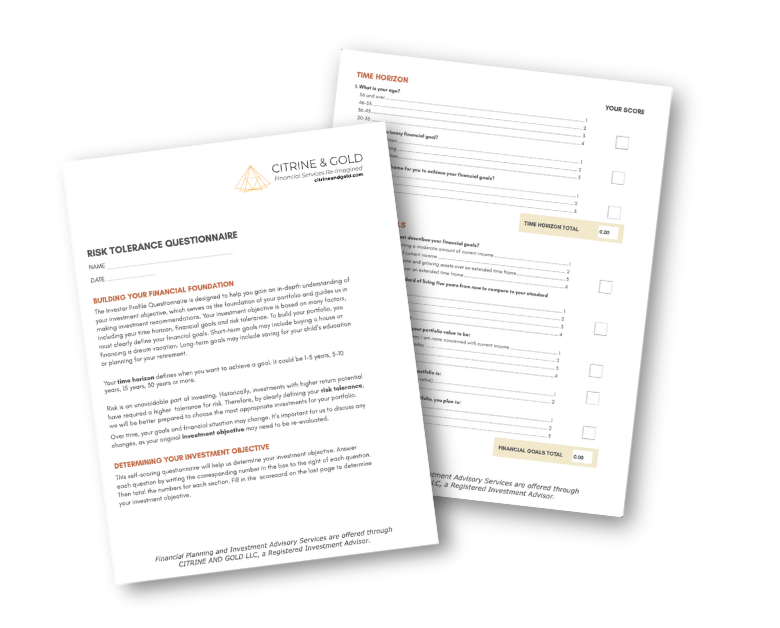
To help you evaluate your risk tolerance, we’ve created a free retirement risk assessment designed to help you think through how you respond to market uncertainty and long-term investment decisions.
Retirement Planning Is an Ongoing Process
Retirement readiness is not a one-time calculation.
Career changes, family dynamics, economic conditions, and personal priorities all influence retirement plans over time.
Revisiting retirement projections periodically allows strategies to remain aligned with reality.
Viewing retirement planning as an evolving process helps maintain flexibility and clarity.
When to Consider Professional Retirement Planning
Some individuals explore professional guidance when retirement decisions become more complex.
Common scenarios include:
• approaching retirement age
• managing multiple investment accounts
• evaluating Social Security timing
• transitioning out of business ownership
• coordinating retirement income sources
Financial planning can help individuals evaluate their current trajectory and explore potential adjustments.
Frequently Asked Questions About Retirement Savings
How much money do you need to retire?
The amount needed for retirement varies widely depending on lifestyle expectations, retirement age, and income sources. Financial planners often estimate retirement needs by projecting expenses and comparing them to savings, investments, and retirement income.
What is retirement readiness?
Retirement readiness refers to whether a person’s savings, investments, and expected income are likely to support their desired lifestyle throughout retirement.
How can I tell if I’m on track for retirement?
You can evaluate retirement readiness by comparing projected retirement expenses with expected income from savings, investments, Social Security, and other sources.
Is there a universal retirement savings target?
No single savings target applies to everyone. Retirement needs vary based on lifestyle goals, health considerations, retirement age, and financial resources.
Assessing Your Retirement Strategy
If you’re questioning whether your current savings align with your long-term goals, evaluating your retirement strategy can provide valuable clarity.
At Citrine & Gold, we help individuals coordinate retirement planning, investment management, and long-term financial strategy within a fiduciary planning framework.
If you’d like to better understand your retirement trajectory, you can explore our retirement planning services or schedule an introductory consultation.

